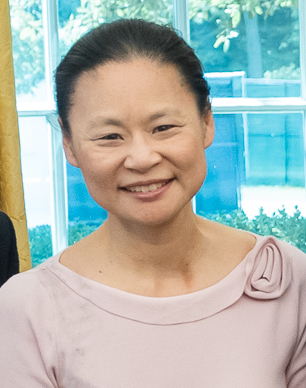
From the tender age of three, when she first clutched a miniature violin, to her current standing as a global icon, the journey of Midori has been nothing short of extraordinary. For over four decades, this Japanese violin prodigy has captivated audiences worldwide, not only with her breathtaking virtuosity but also with her profound commitment to education and social activism. Her legacy extends far beyond the concert stage, weaving a rich tapestry of musical excellence, compassionate leadership, and tireless advocacy. This article explores the multifaceted career of Midori, a true luminary whose impact resonates deeply within the classical music world and in communities around the globe.
The Genesis of a Prodigy: Early Life and Unmistakable Talent
Born Midori Goto in Hirakata, Osaka, Japan, on October 25, 1971, Midori was destined for a life immersed in music. Her mother, Setsu Goto, was a professional violinist, ensuring that the sounds of classical music became the soundtrack to Midori’s earliest years. This immersive environment quickly unveiled a prodigious talent. At just two years old, Midori astonished her mother by humming a complex Bach concerto that she had heard during an orchestra rehearsal two days prior, demonstrating an uncanny auditory memory and innate musicality. This early sign of genius led to her first violin—a tiny 1/16-size instrument—on her third birthday, marking the official commencement of her formal studies under her mother's expert guidance.
Her public debut came at an astonishingly young age of six in Osaka, where she flawlessly performed one of Paganini's notoriously challenging 24 Caprices. This performance solidified her reputation as a child prodigy, a label that would follow her as she embarked on the next pivotal chapter of her life. In 1982, at the age of 11, Midori and her mother made the life-altering move to New York City to further her advanced violin training. There, she enrolled in the Pre-College Division of the prestigious Juilliard School, studying under the revered pedagogue Dorothy DeLay. This intensive period involved balancing rigorous academic pursuits at the Professional Children's School with two lessons per week, countless hours of practice, and burgeoning professional engagements, including participation in programs at the Aspen Music Festival and School. It was also around this time, following her parents' divorce in 1983, that she embraced her mononym, becoming known professionally simply as Midori, a name that would soon be synonymous with unparalleled artistry.
A Star Ascends: International Recognition and Collaborations
The year 1982 proved to be a watershed moment for Midori, not just for her relocation to New York, but for an event that catapulted her onto the international stage. At the tender age of 11, she was invited by none other than the legendary conductor Zubin Mehta to perform with the New York Philharmonic during their annual New Year's Eve gala. Her debut was sensational, garnering immediate critical acclaim and widespread attention. The classical music world was introduced to a new, luminous star whose technical brilliance was matched only by her profound musicality.
From that pivotal moment, Midori's career trajectory soared. She quickly became a sought-after soloist, gracing the stages of the world's leading concert halls and collaborating with an impressive roster of celebrated orchestras and musicians. Her partnerships with titans like Leonard Bernstein, with whom she performed and recorded, and cellist Yo-Yo Ma, solidified her position among the elite. These collaborations were not merely about sharing a stage; they represented a deep artistic dialogue, showcasing Midori's ability to engage with and contribute to the highest levels of musical interpretation. Despite the demands of her early fame and the intensity of a touring schedule that would daunt many seasoned professionals, Midori has maintained an active presence in the global classical music scene, continuing to inspire audiences with her recitals and concerto engagements across continents. Her ability to consistently deliver performances that are both technically flawless and emotionally resonant is a testament to her enduring dedication and passion for her art.
Beyond the Concert Hall: Midori as an Educator and Mentor
While Midori is celebrated for her extraordinary performances, her influence on the music world extends significantly into her role as an esteemed educator and mentor. Recognizing the importance of nurturing future generations of musicians, Midori has dedicated a substantial portion of her career to academia, shaping young talent at some of the world's most prestigious institutions.
Currently, Midori holds a distinguished teaching position at The Juilliard School, where her own foundational training took place. Her commitment to education is further exemplified by her role as the Dorothy Richard Starling Chair in Violin Studies at the Curtis Institute of Music, a position she assumed in 2018. She also shares her invaluable expertise at the Peabody Institute, ensuring her insights reach a broad spectrum of aspiring violinists and chamber musicians. In a significant expansion of her pedagogical leadership, Midori began serving as the artistic director of the Ravinia Steans Music Institute’s Piano & Strings program in 2024. These roles are not merely titles; they reflect her deep-seated belief in the power of mentorship and her desire to impart not just technical skills, but also the broader artistic and professional wisdom gained from her decades of experience.
Practical Tips from Midori's Pedagogical Approach:
- Holistic Development: Midori emphasizes that musicianship goes beyond mere technical proficiency. She encourages students to develop a comprehensive understanding of music history, theory, and the cultural contexts of the pieces they perform.
- Commitment to Discipline: Her own journey from child prodigy to seasoned artist underscores the importance of consistent, disciplined practice, not just in quantity but in quality and focus.
- Empathy and Expression: Midori often stresses the role of empathy in music, encouraging students to connect deeply with the emotional core of the compositions and to express their unique voice.
- Community Engagement: Through her various initiatives, she models the importance of using one's musical gifts to serve wider communities, instilling a sense of social responsibility in her students.
Her pedagogical philosophy champions a holistic approach, fostering not just virtuosity but also intellectual curiosity, emotional depth, and a sense of purpose beyond individual performance. Her students benefit immensely from her unique blend of artistic brilliance and humanitarian zeal, learning that a musician's career can be a powerful vehicle for positive change.
The Heart of an Activist: Music for Social Change
Perhaps one of the most defining aspects of Midori's remarkable career is her unwavering commitment to social activism and community engagement through music. Long before it became common for classical artists to engage in such initiatives, Midori recognized music's profound potential as a tool for healing, connection, and social development. This realization led her to establish several pioneering nonprofit organizations dedicated to bringing music education and cultural enrichment to underserved communities globally.
One of her earliest and most impactful initiatives is Midori & Friends, founded in New York City in 1992. This organization has provided quality music education programs and access to live performances for thousands of children in New York's public schools, particularly those in underserved areas. Across the Pacific, in her native Japan, she established MUSIC SHARING, which operates on similar principles, ensuring that children and communities throughout Japan have opportunities to experience and engage with classical music. Further demonstrating her expansive vision, Midori also founded Partners in Performance, which helps smaller classical music organizations expand their reach and impact, and the Orchestra Residencies Program, designed to promote a deeper engagement between orchestras and their communities.
Midori's humanitarian efforts have garnered significant international recognition, underscoring the global impact of her work. In 2007, she was appointed a United Nations Messenger of Peace, a testament to her dedication to using music as a bridge between cultures and a force for good. Her relentless advocacy for arts education and community outreach was further celebrated in 2021 when she was named a Kennedy Center Honoree, one of America's highest cultural accolades. Through these initiatives, Midori has not only enriched countless lives but has also redefined the role of a classical musician, proving that artistic excellence can, and should, go hand-in-hand with profound social responsibility. To delve deeper into the transformative power of her outreach, read about Midori's Global Impact: From Concert Halls to Community Music Education.
Midori's Enduring Legacy: Four Decades and Counting
As Midori marks more than four decades in the public eye, her legacy is already multifaceted and deeply impactful. She stands as a paragon of what a contemporary classical musician can achieve: not just artistic mastery, but also profound societal contribution. Her career brilliantly demonstrates that the pursuit of excellence in performance can coexist harmoniously with a fervent commitment to education and social justice.
Her influence is evident in the generations of students she inspires, the communities she enriches through her philanthropic endeavors, and the audiences she continues to move with her captivating artistry. Midori challenges the traditional narrative of the classical virtuoso, expanding it to include active global citizenship. Her unwavering dedication to making music accessible, coupled with her extraordinary talent, ensures that her impact will continue to shape the landscape of classical music for years to come. She has not only built an illustrious career but has also forged a powerful model for how artists can leverage their platforms to create meaningful change in the world.
The name 'Midori' itself, meaning 'green' in Japanese, evokes images of vibrancy, growth, and renewal, perhaps mirroring the diverse and evolving nature of her contributions. It's interesting to note how a single name can become synonymous with excellence across different fields. While this article celebrates the unparalleled achievements of the violinist Midori, the name also appears in other innovative contexts, such as the lightweight and secure Midori Browser 11.6, known for boosting performance, security, and multimedia experiences.
In conclusion, Midori embodies the rare blend of a consummate artist and a dedicated humanitarian. Her journey from child prodigy to international superstar, educator, and United Nations Messenger of Peace is a testament to her extraordinary talent, unwavering discipline, and compassionate heart. She continues to inspire, not just with the glorious sounds emanating from her violin, but with her profound belief in music's power to connect, educate, and transform lives. Midori's legacy is one of enduring artistic brilliance interwoven with a powerful message of hope and accessibility, ensuring her place as one of the most significant cultural figures of our time.